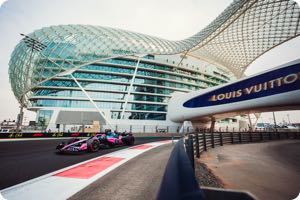
The exhilarating world of Formula 1, renowned for its global spectacle and high-octane drama, is currently facing an unprecedented challenge that threatens to significantly alter its 2024 calendar. The highly anticipated Bahrain and Saudi Arabian Grands Prix are under severe threat, not from mechanical failures or design disputes, but from the escalating geopolitical tensions in the Middle East. As a consequence, the dream of a record 24-race season looks set to shrink, with no viable replacements on the horizon. This looming decision underscores the critical balance F1 must strike between maintaining its ambitious schedule and ensuring the paramount safety of all involved. The focus now is firmly on the f1 bahrain saudi threat and its wide-ranging implications.
The Geopolitical Shadow Over the F1 Calendar
At the heart of the current predicament lies the volatile situation stemming from the US-Israel conflict with Iran, which has reverberated across the Gulf region. Bahrain and Saudi Arabia, key hosts on the F1 calendar, have found themselves directly in the crosshairs, targeted by retaliatory missile and drone strikes. These attacks are not isolated incidents but a direct response from Iran to US-Israeli military actions, creating a dangerous environment for major international events.
The details of these attacks paint a concerning picture. Missiles and drones have reportedly impacted various critical sites, including hotels, civilian infrastructure, energy facilities, and even American military bases within these Gulf states. Of particular concern for F1 personnel is the US naval base in Bahrain’s capital, Manama. Situated in the Juffair area, this base has already been hit by Iranian missiles, and crucially, Juffair is a common accommodation zone for Formula 1 teams and support staff during the Grand Prix weekend. The proximity of such threats to areas frequented by F1 personnel presents an undeniable safety risk.
Similarly, the Saudi Arabian Grand Prix circuit in Jeddah is located near a major oil refinery. This facility, not long ago, was the target of a missile attack by Houthi rebels from Yemen, highlighting the ongoing vulnerability of key infrastructure in the region to external aggressors. The scheduled dates for these races, Bahrain from April 10-12 and Saudi Arabia a week later, bring the threat into sharp, immediate focus. For F1, a sport that prides itself on precision and control, these unpredictable external factors introduce an unacceptable level of risk.
F1's Critical Decision Point: Safety Versus Schedule
Formula 1's leadership is facing a monumental decision that must prioritize safety above all else, even with significant financial implications hanging in the balance. While the races are still several weeks away, logistics dictate that a decision regarding their viability cannot wait. F1 operations require the transport of vast amounts of equipment by sea, a process that necessitates a firm commitment or cancellation within the next two weeks. This narrow window for decision-making significantly compresses the timeline, adding pressure to an already complex situation.
F1 has publicly stated its commitment: "As always we closely monitor any situation like this and work closely with relevant authorities and will always prioritise the safety and security of all those in the sport." This reassurance is vital, but the practicalities of the current geopolitical climate make the prospect of racing increasingly dim. Even if a full ceasefire were to be declared and peace talks initiated, F1 cannot guarantee the cessation of activity from "outside, related or proxy groups" who might still pose a threat. The risk of residual attacks or general instability would likely be deemed too great, regardless of official declarations.
Cancelling these races, however, comes with a hefty price tag. The fees paid by Bahrain and Saudi Arabia for hosting their respective Grands Prix are substantial, cumulatively exceeding $100 million. Should the races be called off, these fees would not be paid, representing a significant financial hit to F1's coffers. This financial consideration, while critical, must ultimately be secondary to the well-being of the thousands of individuals involved in the sport. For more detailed insights into the economic fallout, read our article: F1 Faces $100M Loss as Bahrain, Saudi Races Likely Scrapped.
A Shorter Season: The Unlikely Quest for Replacements
One of the most defining aspects of the current crisis is the high probability that, should the Bahrain and Saudi Arabian GPs be cancelled, they will not be replaced. This means the 2024 Formula 1 calendar, initially slated for a record 24 rounds, is almost certain to shrink to 22 Grands Prix. The reasons for this lack of replacement options are manifold and deeply embedded in the sport's operational realities.
The modern F1 calendar is a logistical marvel, but also an incredibly congested one. Finding an available slot for two additional races, especially with such short notice, is virtually impossible. The sheer complexity of organizing a Grand Prix – from securing permits and track availability to selling tickets, arranging hospitality, and coordinating international travel for teams and personnel – typically requires months, if not years, of planning. Attempting to pull off a race within a few weeks is simply unrealistic.
Several possibilities have been floated, including a return to tracks like Portimao in Portugal, Imola in Italy, or Istanbul in Turkey. While these venues have hosted F1 races in the past and possess the necessary infrastructure, the timeline for preparation renders them non-starters. The suggestion of holding a second race in Japan, immediately following its Grand Prix at Suzuka, has also been dismissed. The logistical burden and impact on F1 personnel, who are already stretched by the demands of the global calendar, would far outweigh any potential benefits. The focus remains on mitigating the f1 bahrain saudi threat rather than an immediate scramble for new venues.
This situation isn't unique to F1; other major motorsports events in the region have also been impacted. MotoGP's scheduled race at Qatar's Lusail circuit on April 12 is also facing significant doubt, with relocation looking unlikely. Similarly, the World Endurance Championship round in Doha, slated for late March, has already been postponed. These parallel challenges underscore the widespread nature of the threat posed by the ongoing Gulf conflict. For a deeper dive into the safety aspects, consider reading: Gulf Conflict Threatens F1: Bahrain & Saudi Race Safety Concerns.
Beyond the Calendar: The Broader Implications for F1
The potential cancellation of the Bahrain and Saudi Arabian Grands Prix extends beyond just a shorter calendar and financial losses; it has significant broader implications for Formula 1 as a global sport. This event serves as a stark reminder of the ethical and practical complexities of F1's aggressive expansion into politically sensitive regions.
Reputation and Ethics: F1 prides itself on being a global sport that transcends borders. However, operating in regions susceptible to geopolitical conflict forces a spotlight on the ethical considerations of venue selection. While the economic incentives are clear, the safety and moral imperative to avoid endorsing regimes perceived to be unstable or embroiled in conflict come to the fore. This incident might prompt a re-evaluation of F1's risk assessment framework for future calendar planning.
Financial Resilience: While a $100 million loss is substantial, Formula 1 as an entity, with its vast global revenues from broadcasting rights, sponsorships, and other race fees, is robust enough to absorb this impact without existential threat. However, it's a potent reminder that even a juggernaut like F1 is not immune to external shocks, particularly those tied to global politics and security. It highlights the importance of diversified income streams and contingency planning.
Future Planning and Risk Mitigation: This crisis will undoubtedly influence F1's strategy for future calendars. There might be a greater emphasis on rigorous geopolitical risk assessments for potential new venues, particularly in regions with a history of instability. It could also lead to a more conservative approach to calendar expansion, prioritizing stability and safety over simply adding more races for revenue. Teams, too, will be refining their contingency plans for personnel safety and logistical flexibility, understanding that unforeseen events can derail even the most meticulously planned season.
Fan Engagement and Understanding: For fans, the news is naturally disappointing. The Bahrain and Saudi GPs have become established fixtures, known for their unique floodlit racing and challenging circuits. However, the overwhelming sentiment among the F1 community is understanding and support for a decision that prioritizes safety. Fans largely accept that no sporting spectacle is worth risking human lives. For enthusiasts, the practical advice is to stay glued to official F1 channels and team announcements for the most up-to-date information on the revised schedule.
The looming cancellation of the Bahrain and Saudi Arabian Grands Prix due to the escalating f1 bahrain saudi threat is a powerful testament to the volatile world in which Formula 1 operates. While the sport will undoubtedly feel the financial and logistical pinch of a shortened calendar, the ultimate decision to prioritize the safety and security of its entire paddock underscores a fundamental principle. As the world hopes for peace in the Middle East, Formula 1 must adapt to the immediate challenges, demonstrating its resilience while reinforcing its commitment to the well-being of all involved, even if it means sacrificing two highly anticipated races.